Natural Gas vs Renewables: Cost Comparison Explained for Today’s Energy Choices
Global Markets
Natural gas vs renewables cost comparison is one of the most common questions in modern energy planning. Many people want to know which option truly costs less when producing electricity and why prices seem to change so often.
Energy costs can look simple at first, but beginners often feel confused once fuel prices, installations, and long-term expenses appear. This guide breaks everything down clearly, focusing on what matters most when comparing real-world energy costs.
Understanding What Energy Costs Really Mean
Energy cost is not a single number. It includes several layers that affect what people pay over time.

Upfront Costs vs Ongoing Costs
Upfront costs include building power plants or installing solar panels and wind turbines. Ongoing costs include fuel, repairs, staffing, and daily operations. Natural gas cost depends heavily on fuel prices, while renewable energy cost focuses more on installation and maintenance.
Short-Term Costs vs Long-Term Costs
Short-term costs show what looks cheaper today. Long-term costs reveal what stays affordable over many years. An energy cost comparison that ignores time often gives a misleading picture.
Natural Gas vs Renewables: Cost Comparison Basics
This comparison starts with understanding how each energy source produces electricity and where the money goes.
How Natural Gas Power Costs Are Formed
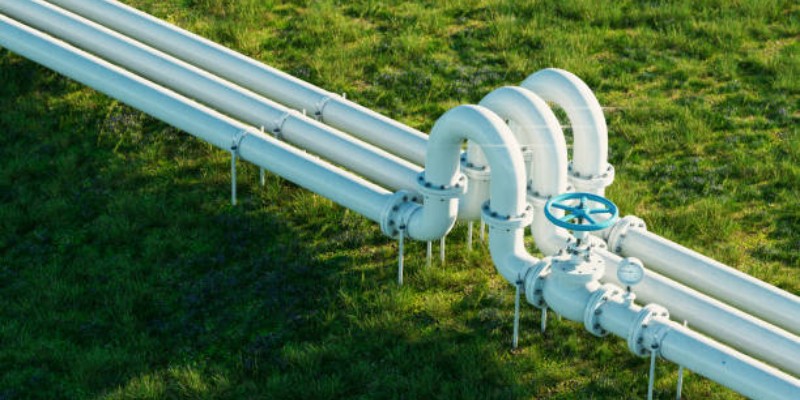
Natural gas cost includes drilling, processing, transportation, and burning fuel in power plants. Pipelines and storage systems also add expenses. Electricity generation costs rise when gas prices increase due to global demand or supply disruptions.
How Renewable Energy Costs Are Formed
Renewable energy cost comes mostly from building solar panels or wind turbines and connecting them to the grid. Once installed, fuel costs are almost zero. Maintenance is steady and predictable, which helps stabilize electricity generation costs.
Natural Gas vs Renewables: Cost Comparison by Energy Type
Different renewable sources have different cost patterns.
Natural Gas Electricity Costs
Natural gas power plants are cheaper to build than many renewable systems. This makes natural gas cost attractive in the short term. However, fuel prices change often, which affects long-term energy cost comparison results.
Solar Energy Cost Structure
Solar power requires higher upfront spending. Over time, renewable energy drops because sunlight is free. Panel prices have fallen sharply, making electricity generation costs more competitive than before.
Wind Energy Cost Structure
Wind energy costs depend on location and wind strength. Once installed, renewable energy remains stable for decades. Maintenance costs are lower than many people expect, especially for large wind farms.
Short-Term Cost Comparison: Natural Gas vs Renewables
In the short term, natural gas often appears cheaper. Power plants are quick to build and start producing electricity. This makes natural gas costs look attractive during energy shortages.
Renewables usually need more planning and installation time. However, once operating, the renewable energy cost becomes easier to predict, which improves long-term energy cost comparison accuracy.
Long-Term Cost Comparison: Natural Gas vs Renewables
Over long periods, fuel becomes the biggest difference. Natural gas cost depends on markets, weather, and global events. Prices can rise suddenly, increasing electricity bills.
Renewable energy cost stays steady because there is no fuel to buy. Over 20 to 30 years, electricity generation costs from renewables often become lower than those from fossil fuels. Long-term planning studies from international energy research bodies support this view, as shown through global energy analysis shared across major energy agencies like global energy outlooks.
Hidden Costs Often Ignored in Energy Cost Comparison
Some costs are not visible on monthly bills but still matter.
Environmental and Health Costs
Burning natural gas releases pollution that affects air quality. Health-related expenses and environmental cleanup add indirect costs. These costs rarely appear in simple energy cost comparison discussions.
Renewables produce electricity without air pollution, reducing long-term public health expenses.
Infrastructure and Grid Costs
Natural gas requires pipelines and storage facilities that need constant maintenance. Renewable systems may need grid upgrades, but these costs usually happen once. Long-term electricity generation costs often favor renewables after infrastructure is in place.
Cost Comparison for Different Users
Energy needs vary, so costs differ by user type.
Household Energy Costs
Homes using electricity from renewable sources benefit from stable prices. Natural gas cost changes can raise household bills unexpectedly. Renewable energy cost becomes more predictable over time.
Business Energy Costs
Businesses value price stability. Long-term contracts tied to renewables reduce financial risk. Many companies now prefer renewable electricity generation costs for budgeting certainty, according to data commonly referenced in national energy statistics portals like official energy data platforms.
Government and Utility Costs
Governments consider long-term national spending. Renewable energy cost stability helps reduce dependence on fuel imports. Natural gas cost volatility increases economic risk during global crises.
How Subsidies Change Natural Gas vs Renewables Cost Comparison
Subsidies affect how costs appear. Natural gas has long benefited from infrastructure and tax advantages. Renewables receive incentives to encourage adoption and balance the market.
When subsidies are removed, energy cost comparison results often show renewables as more competitive, especially for electricity generation costs over long periods.
Real-World Trends Affecting Energy Costs
Renewable technology keeps improving. Solar panels and wind turbines are cheaper and more efficient each year. Renewable energy cost continues to fall worldwide.
Natural gas cost remains unpredictable due to geopolitical tensions and supply limits. Reports shared through renewable-focused institutions like global clean energy research highlight these trends clearly.

Common Misunderstandings About Energy Costs
Many believe renewables are always expensive. This view ignores long-term savings. Others think natural gas prices are stable, even though history shows frequent price spikes.
Another misunderstanding is that renewables require constant repairs. In reality, maintenance is planned and often cheaper than fuel-based systems.
Natural Gas vs Renewables: Cost Comparison Over the Next Decades
Looking ahead, renewable energy is expected to keep dropping. Technology improvements and large-scale projects lower electricity generation costs further.
Natural gas cost faces uncertainty due to fuel supply risks. For long-term planning, energy cost comparison models increasingly favor renewables for stability and affordability.
Making Sense of Natural Gas vs Renewables: Cost Comparison
Natural gas vs renewables cost comparison shows no single answer fits every situation. Short-term needs may favor gas, while long-term planning often favors renewables.
Understanding natural gas cost, renewable energy cost, and electricity generation costs helps readers make informed decisions. A clear energy cost comparison focuses on time, stability, and real-world expenses, not just today’s prices.
Sources
Share this article:
Recommended For You





Most Viewed



ADVERTISEMENT